

















Where the worldwide
spectrum community meets
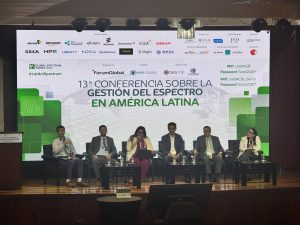
The 13th Latin America Spectrum Management Conference, kindly hosted by SUTEL, will take place on September 1 – 2, 2026, at the Hotel Barceló, San José, Costa Rica.
Across 2 days, attendees will have the opportunity to be involved in discussions on the key spectrum topics for the Latin America region and beyond through interactive sessions, networking opportunities, an exhibition area, and much more…
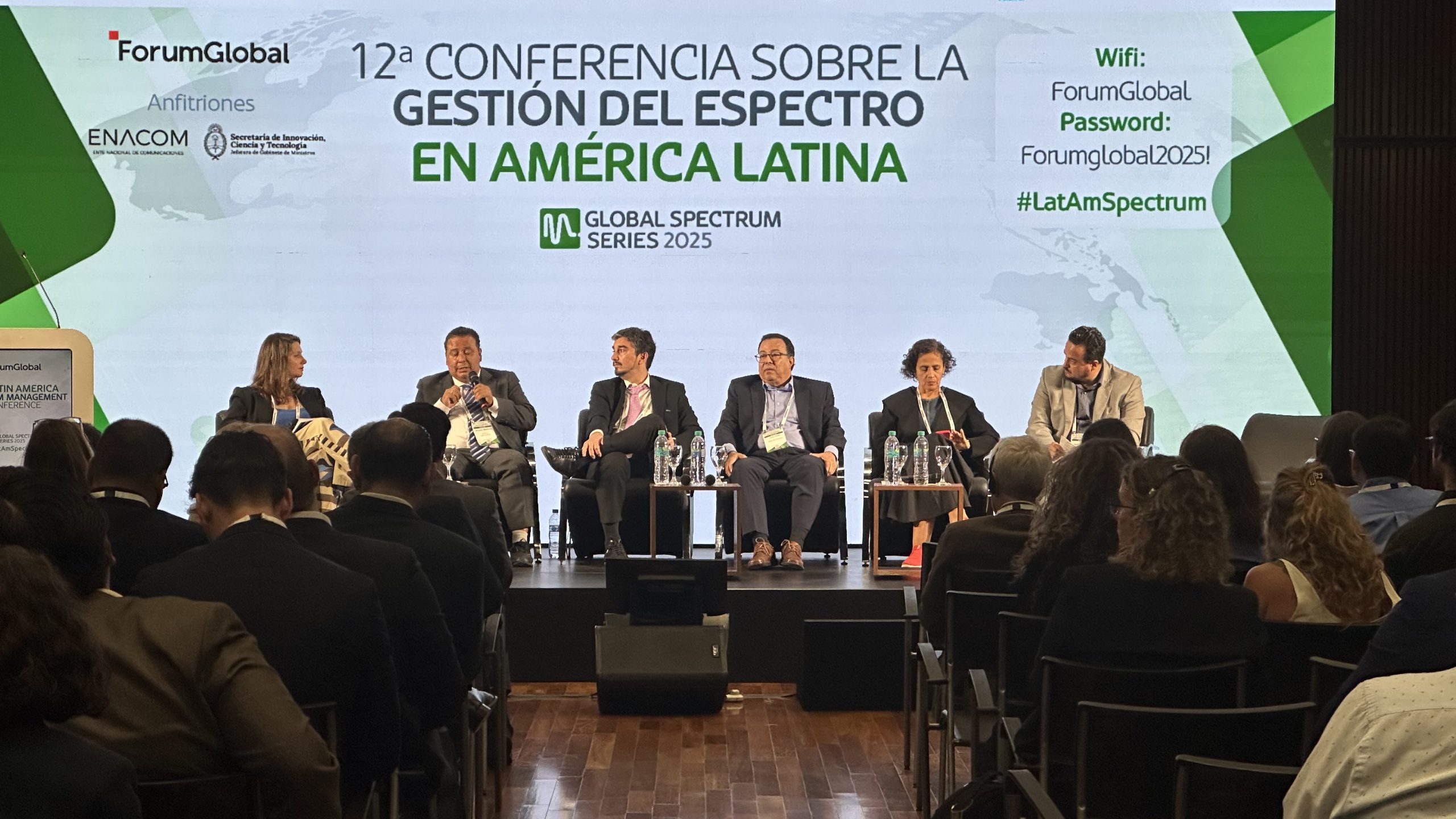
This event is part of the Global Spectrum Series, the world’s largest collection of regional spectrum policy conferences. Click on the images on the right to find out more about the series and to view the photos from 2025.
Forum Global Forum Global specialises in policy-focused conferences and events, providing a platform for discussion and debate on topical issues across a variety of different sectors. These events are organised with clients and partners and aim to progress ideas and actions on important issues, all within a balanced and neutral setting. Forum Global is the international arm of Forum Europe, which was founded by Giles Merritt, columnist for the International Herald Tribune, and is widely recognised as the leading EU-dedicated event provider. Headed by a team of event specialists with over 19 years of experience, Forum Global works successfully with businesses, institutions, and governments alike. Its strategic services can maintain and develop your key policy networks and also deliver forums where key issues can be aired and debated.
SUTEL Costa Rica The Superintendency of Telecommunications (SUTEL, Spanish acronym) is the entity responsible for regulating the telecommunications market in Costa Rica. Its responsibilities include promoting competition, authorizing telecommunications operators and service providers, fostering interconnection among companies, and carrying out other regulatory functions.
The General Telecommunications Law (Law No. 8642) establishes that SUTEL is responsible for ensuring the quality of telecommunications services and protecting users’ rights.
In addition, SUTEL serves as the Sectoral Competition Authority, overseeing the market and intervening whenever operators and/or service providers engage in anti-competitive practices that may affect the market, in accordance with the Law on the Strengthening of Competition Authorities (Law No. 9736).
The Superintendency also administers the National Telecommunications Fund (FONATEL, Spanish acronym), which is responsible for expanding telephone and internet services to areas where investment is not financially viable for operators.
One of FONATEL’s objectives is to provide universal access and service to remote communities, low-income families, people with disabilities and senior citizens.
SUTEL is a technical regulatory body responsible for ensuring the efficient use of the radioelectric spectrum, as well as monitoring and enforcing compliance with the telecommunications legal framework.
More information available here: sutel.go.cr.
CITEL The Inter-American Telecommunication Commission (CITEL) is an entity of the Organization of American States established by the General Assembly in its resolution AG/RES. 1224 (XXIII-O/93), in keeping with Article 52 of the Charter of the Organization. CITEL has technical autonomy in the performance of its functions, within the limits of the Charter of the Organization, the Statute of CITEL, and such mandates as the General Assembly of the Organization may assign to it.
The member states of the Organization of American States (OAS) have undertaken to unote efforts to promote and achieve economic and social development with equity. They have also recognized the vital role of telecommunications as a tool to achieve that objective. They have thus placed special emphasis on the need to consolidate and promote telecommunication modernization and coordination in the region. (OAS Charter, Articles 30 and 41).
Contributing to the region’s economic and social development is the objective of all elements of the work of CITEL, whether it is coordinating the rules needed to facilitate infrastructure deployment and telecommunication service delivery; harmonization of the radio frequency spectrum to reduce the cost of providing wireless services; information and communication technology (ICT) training; or helping countries devise telecommunication development strategies.
Access Partnership Access Partnership is the world’s preeminent tech advisory firm. We’ve been helping leading companies navigate complex regulatory challenges and expand their products and services to new markets since 1999. During this time, we’ve also worked closely with governments to offer advice on creating policies and regulations as the landscape continues to change with new and emerging technologies.
Through two decades of experience, Access Partnership has developed effective and proprietary processes that ensure our clients’ goals are achieved every time. With our expertise and experience, we’re able to anticipate future regulations and manage policy trends on a global scale.
Their mission is to ensure that everyone has access to transformative technologies while promoting fair competition and consumer choice.
Amazon Amazon is guided by four principles: customer obsession rather than competitor focus, passion for invention, commitment to operational excellence, and long-term thinking. Amazon strives to be Earth’s most customer-centric company, Earth’s best employer, and Earth’s safest place to work. Customer reviews, 1-Click shopping, personalized recommendations, Prime, Fulfillment by Amazon, AWS, Kindle Direct Publishing, Kindle, Career Choice, Fire tablets, Fire TV, Amazon Echo, Alexa, Just Walk Out technology, Amazon Studios, and The Climate Pledge are some of the things pioneered by Amazon.
AscendArc AscendArc was founded to transform the economics of satellite communications.
After years working on high-throughput satellite networks at Panasonic and enterprise applications for Starlink at SpaceX, founder Chris McLain saw a gap in the market: traditional GEO satellites were too expensive, too slow to build, and didn’t deliver enough value for emerging connectivity demands.
Car Connectivity Consortium The Car Connectivity Consortium brings automotive and consumer technology industries together to future-proof vehicle access using smart devices. Every significant manufacturer in every corner of the world — from Shanghai, China to Munich, Germany to New York City, USA — is a vital part of our member-based organization. Secure shareability is not just one of the unique aspects of the CCC Digital Key — it’s the foundation of our organization. With membership comes a seat at our table, no matter the size of your company or nonprofit, and an equal say in the gold standard of end-to-end interoperability. Cross-platform compatibility is our brand promise, so everyone globally can experience the same access to private, secure mobility.
For more information please visit: carconnectivity.org
Cisco Cisco offers an industry-leading portfolio of technology innovations. With networking, security, collaboration, cloud management, and more, they help to securely connect industries and communities.
Ericsson
Globalstar Globalstar is a next-generation telecommunications provider delivering reliable, next-generation connectivity solutions through both satellite and terrestrial infrastructure. With a proprietary satellite network and exclusive access to licensed mid-band spectrum (Band 53 and Band n53), Globalstar offers end-to-end voice, data, and asset tracking services that power critical operations across enterprise, government, and consumer markets. From emergency communications and IoT deployments to private wireless and spectrum-based solutions, Globalstar delivers the resilient coverage and flexibility a connected world demands.
Headquartered in Covington, Louisiana, with regional offices around the globe, Globalstar is more than its technology; it’s a team of dedicated engineers, sales leaders, developers, and operations experts driven by a shared mission:
To make connectivity seamless, secure, and accessible anywhere on Earth.
GSA GSA (the Global mobile Suppliers Association) is a not-for-profit industry organisation representing companies across the worldwide mobile ecosystem engaged in the supply of infrastructure, semiconductors, test equipment, devices, applications and mobile support services.
GSA actively promotes the 3GPP technology road-map – 3G; 4G; 5G, – and is a single source of information resource for industry reports and market intelligence. GSA Members drive the GSA agenda and define the communications and development strategy for the Association.
The GSA Spectrum Group develops strategies and plans, and contributes studies and technical analysis to international, regional and individual country policy-makers and regulators to facilitate the timely availability of spectrum for use by mobile network operators.
GSMA The GSMA represents the interests of mobile operators worldwide, uniting nearly 800 operators with more than 250 companies in the broader mobile ecosystem, including handset and device makers, software companies, equipment providers and Internet companies, as well as organisations in adjacent industry sectors. The GSMA also produces industry-leading events such as Mobile World Congress, Mobile World Congress Shanghai and the Mobile 360 Series conferences.
GSOA
HPE HPE is the global edge-to-cloud company built to transform your business. How? By helping you connect, protect, analyze, and act on all your data and applications wherever they live, from edge to cloud, so you can turn insights into outcomes at the speed required to thrive in today’s complex world.
Liberty Latin America LLA are a leading communications company with operations in Puerto Rico, the Caribbean and other parts of Latin America and we do things a little differently…
The communications and entertainment services that we offer to our residential and business customers include video, broadband internet, telephony and mobile services. In most of our operating footprint, we offer a “triple-play” of bundled services of digital video, internet and telephony in one subscription. We are also bundling, where available, mobile offerings with the “tripe-play” products to offer a “quad-play”, or fixed-mobile convergence service. Available fixed service offerings depend on the bandwidth capacity of a particular fixed system and whether it has been upgraded for two-way communications.
Lynk To achieve Lynk’s mission, they build, launch, and operate ‘cell-tower-in-space’ satellites that provide direct-to-device connectivity with continuous global coverage. Lynk is a patented, proven, and commercially licensed direct-to-device system that delivers service through its mobile network operator (MNO) partners. Lynk has proven two-way commercial and emergency messaging on all seven continents, and is scaling to provide service at broadband speeds.
Newsky.plus At NewSky.plus, we thrive in the realms of satellites, SatComs, and commercial space. This is our comfort zone, where we innovate and lead. We take on projects of critical importance for both private companies and public sector entities, ensuring regulatory affairs and policy affairs are managed strategically.
We expertly guide you through compliance and go-to-market strategies, crafting and advocating for effective regulations outside the US. Our deep expertise ensures that commercial goals and senior government relations in the Global South are met with precision.
Your vision and challenges are our input. Achieving your objectives our priority output. We do this by focusing on strategic thinking, risk management and creative implementation. We provide ideas you can trust.
Our philosophy is simple: passion, service, effectiveness, and know-how. We never compromise on quality and tailor unique strategies for each client.
Nokia
Omnispace Omnispace is uniting the simplicity of mobile roaming with the scope of satellite to create the world’s first truly global 5G network.
Omnispace are reinventing communications to deliver greater reach, improved reliability, and enhanced quality of service for billions of users and devices worldwide. By integrating terrestrial and satellite networks into one seamless connected experience, they are empowering consumer, enterprise, government and IoT users worldwide.
Qualcomm
Viasat Viasat is a global communications company that believes everyone and everything in the world can be connected. With offices in 24 countries around the world, our mission shapes how consumers, businesses, governments and militaries around the world communicate and connect.
Viasat is developing the ultimate global communications network to power high-quality, reliable, secure, affordable, fast connections to positively impact people’s lives anywhere they are—on the ground, in the air or at sea, while building a sustainable future in space.
On May 30, 2023, Viasat completed its acquisition of Inmarsat, combining the teams, technologies and resources of the two companies to create a new global communications partner.
Learn more at www.viasat.com, the Viasat News Room or follow on Facebook, Instagram, LinkedIn, Twitter or YouTube.
Shure With a history of innovation that began in 1925, Shure has turned a passion for making great microphones and audio electronics into an obsession.
Shure continues to set the worldwide industry standard for superior, reliable products.
Skylo Skylo has been developed by a passionate group of engineers and scientists from MIT and Stanford in the US, and an experienced deployment team in Finland and India. The team invented an entirely new way of networking communications using existing geostationary satellites for affordable and continuous coverage, anywhere on Earth. Skylo is backed by some of the largest, most well-known organizations in the world.
There is massive potential for our customers to drive transformative impact. Businesses can turbocharge their offerings, strengthening their operations to lift up their families, communities and local economies.
Governments can better serve citizens and save lives, with elements like enhanced disaster management. New companies will emerge using our solution as entrepreneurs discover new possibilities.
Wireless Microphone Spectrum Alliance (WMSA) WMSA is dedicated to ongoing efforts in Spectrum and Regulatory affairs that impact our industry long-term. Your engagement in advocacy and raising awareness is essential for our collective success. As a prospective member, your involvement is crucial to our mission of advocating for the preservation and allocation of wireless spectrum for our industry.
Dynamic Spectrum Alliance (DSA) The Dynamic Spectrum Alliance (DSA) is a global, cross-industry, not for profit organization advocating for laws, regulations, and economic best practices that will lead to more efficient utilization of spectrum and foster innovation and affordable connectivity for all.
Welchman Keen At Welchman Keen, we recognise the critical importance of bridging this digital divide through strategic, sustainable, and secure connectivity solutions. Our expertise lies in navigating the complex interplay of policy, technology, and socio-economic factors to unlock the transformative power of connectivity for all.
Purpose Partners Purpose Partners is a recently formed tech policy consultancy set up to be a trusted extension of our clients’ public policy teams, collaborating with them in the design and execution of strategies that advance business priorities and build political goodwill. They offer their clients unmatched expertise in technology regulation gained over successful careers in the private and public sectors delivering results time and again in complex and ambiguous policy contexts.
Their purpose is to add value in each and every interaction with our clients and their stakeholders. They can do this because we understand the drivers behind business and policy decisions and have the seniority and experience to provide strategic advice that makes a difference.
Welchman Keen At Welchman Keen, we recognise the critical importance of bridging this digital divide through strategic, sustainable, and secure connectivity solutions. Our expertise lies in navigating the complex interplay of policy, technology, and socio-economic factors to unlock the transformative power of connectivity for all.
Rohde & Schwarz
Aetha Consulting Aetha Consulting provides strategic advice to the telecommunications industry and specialises in undertaking rigorous data-driven quantitative assessments to help businesses, regulators, and policy makers make major strategic and regulatory decisions.
We work with our clients to develop creative and sustainable solutions to the challenges facing them in a constantly changing environment. Aetha helps operators and regulators to analyse the opportunities and threats arising out of changes (whether real or proposed) in their radio spectrum holdings. Throughout the recent unprecedented growth of wireless services, Aetha’s staff have been at the forefront of spectrum policy. Our consultants have assisted regulators to award spectrum and develop regulatory frameworks, including supporting the European Commission to tackle issues such as spectrum trading and the digital dividend.
We also support operators to understand their spectrum needs, value spectrum and bid in auctions. Each year we support around 10 bidders in spectrum auctions – a total of over 120 award processes between mid-2011 and 2023 across all regions of the world. Our technical knowledge, combined with our rigorous valuation modelling approach, ensures that our clients are comprehensively prepared for auctions.
Cullen International
NERA NERA Economic Consulting is a global firm of experts dedicated to applying economic, finance, and quantitative principles to complex business and legal challenges. For half a century, NERA’s economists have been creating strategies, studies, reports, expert testimony, and policy recommendations for government authorities and the world’s leading law firms and corporations. We bring academic rigor, objectivity, and real world industry experience to bear on issues arising from competition, regulation, public policy, strategy, finance, and litigation. NERA’s clients value our ability to apply and communicate state-of-the-art approaches clearly and convincingly, our commitment to deliver unbiased findings, and our reputation for quality and independence. Our clients rely on the integrity and skills of our unparalleled team of economists and other experts backed by the resources and reliability of one of the world’s largest economic consultancies. With its main office in New York City, NERA serves clients from more than 25 offices across North America, Europe, and Asia Pacific.
Rohde & Schwarz
thinkRF thinkRF is one of the proud affiliates of the Wesley Clover International, a serial super angel, found or fund over 100 successful Information and Communications Technologies (ICT) companies, either independently or in partnership with other investors. The portfolio currently consists of public and private firms focused on next-generation Cloud and SaaS applications, hardware and services for fixed/mobile communications, video collaboration, customer engagement, analytics and more.
We are revolutionizing spectrum monitoring and intelligence. We provide ultimate visibility to wireless network operators and national regulatory agencies and empower them to optimize and utilize RF spectrum. We not only provide real-time, but also historical data and insights to guide wireless network operators in making informed decisions about their spectrum policies.
We are the leader in software-defined spectrum analysis platforms that monitor, detect and analyze complex waveforms in today’s rapidly evolving wireless landscape. Spectrum eXperience Management (SXM) is our subscription-based wireless network monitoring and intelligence solution. Wireless network operators can characterize, optimize and protect vital RF spectrum networks with real-time and historical insights on the state of wireless technologies
CABASE Founded in 1989, CABASE is a Non-profit Association, with a membership consisting of the main connectivity providers and ISPs in Argentina, as well as numerous technology companies which comprise the Internet ecosystem in Argentina.
Chicas TIC LATAM Chicas TIC are a community of women who develop careers in decision-making positions within ICT (Information and Communication Technologies) companies and organizations. They have the challenge of accompanying themselves in pursuit of the integral growth of women with a professional focus through networking. They seek to encourage more women to reach leadership positions. They were born in Argentina, but they extend to all of Latin America.
The field of technology today is an essential part of all industries, and the lack of participation of women in leadership positions is repeated in many sectors. One of the difficulties in reaching key positions is the poor development of networking and contact networks. At Chicas TIC, they work to generate this network of professional support for women and reverse this situation.
Chicas TIC encourages women to encourage themselves, expand their network, create and occupy spaces, share experiences, and don’t miss happy hour or the work lunch. Make visible the initiatives and achievements of women in the sector to let them know that it is possible, that there are many of them in a similar situation, and that they can ask for help.
Paula Bogantes Zamora, Minister of Science, Innovation, Technology, and Telecommunications (MICITT), Costa Rica More information available shortly.
Carlos Watson, President, SUTEL Costa Rica More information available shortly.
Anna M. Gomez, Commissioner, FCC, USA Anna M. Gomez was sworn in as Commissioner of the Federal Communications Commission in September 2023. She believes the FCC does best when its work honors the people it serves.
The Commissioner brings over 30 years of public and private sector experience in domestic and international communications law and policy to her position. In 2023, she led U.S. preparations for the International Telecommunication Union World Radiocommunication Conference 2023 (WRC-23) for the Department of State and from 2009 to 2013 she served as the National Telecommunications and Information Administration Deputy Administrator. While at NTIA she oversaw the successful transition to digital television, as well as efforts that resulted in the establishment of a broadband network for first responders.
Commissioner Gomez also served for 12 years in various positions at the FCC, including as Deputy Chief of the International Bureau and as Senior Legal Advisor to then-Chairman William E. Kennard. She also served as Counsel to the U.S. Senate Commerce Committee, and as Deputy Chief of Staff of the National Economic Council during the Clinton Administration. Prior to joining the State Department in 2023, Commissioner Gomez worked in private practice focusing on telecommunications law.
Born in Orlando, Florida, Commissioner Gomez spent her childhood in Bogota, Colombia before her family relocated to New Jersey. She now resides in Virginia. Commissioner Gomez earned her B.A. in Pre-Law from Pennsylvania State University and her J.D. from George Washington University Law School.
Commissioner Gomez is committed to a vibrant, strong, and competitive telecommunications and media marketplace that meets consumer needs and promotes U.S. economic prosperity and security.
She believes that it is critical to our continued success as a nation that everyone in rural, Tribal, suburban, and urban communities should be able to get and stay connected. She knows what it means to risk the loss of connection and believes that we need an affordability program like the Affordable Connectivity Program to promote economic prosperity and give people a fighting chance.
Commissioner Gomez believes we must continue to foster innovation in the tech and telecom sector by facilitating opportunities for new services, creative spectrum policies, and continued leadership on the space economy. This includes continued implementation of the National Spectrum Strategy and reinstatement of the FCC’s auction authority.
She knows we must be vigilant about protecting consumers. From spam calls and texts to accessible emergency alerts, Commissioner Gomez believes consumers’ interests must lead communications policymaking. That also means ensuring our first responders can communicate in times of crisis, and that our connections are secure and resilient. Additionally, as a Latina American, she brings her skills and perspective to the Commission on ways to reach all communities where they are, including the Latino community.
Commissioner Gomez firmly believes that the First Amendment is a pillar of American democracy and a free press is necessary for democracy to thrive. She believes that regardless of changes in the media ecosystem, the FCC should continue to uphold its longstanding media policy principles: diversity, localism, and competition.
Juan Martín Ozores, President, ENACOM Argentina More information available shortly
Ricardo Martinez, Chair, Working Group for WRC-27, CITEL More information available shortly.
Luciana Camargos, Head of Spectrum, GSMA Luciana Camargos is the GSMA’s Head of Spectrum. She directs the GSMA’s range of advocacy issues on public policy relating to spectrum with national governments and multilateral organisations.
Luciana’s career began with Brazilian regulator Anatel, where she worked as part of the board advisory team. She joined the GSMA in 2012, where she has continued to be active in shaping the future of mobile services at international forums such as the ITU, CITEL, and other multilateral organisations.
She has chaired regulatory groups charged with developing communications regulation at the ITU and in regional organisations. She is an active supporter of the role of women in technology and is a former chair of the ITU’s Network of Women.
Luciana earned an MBA in telecommunications from the University of Strathclyde, Scotland, and a degree in electrical engineering from the University of Brasilia.
Paula Cordoba, Senior Lead, Licensing & Regulatory Affairs, Americas, Amazon More information available shortly.
Alexander Kühn, Chairman of CPM-27 (Conference Preparatory Meeting for WRC-27), ITU After a state exam in law at the University of Osnabrück, Mr Kühn has been working since 1998 in the area of legal internship (e.g. at Regional Court) of the Federal Network Agency Germany; changing to National and International Spectrum Regulation on different levels in 2005. Nowadays, he is the Deputy Head of Section for International Affairs and Utilization Concepts. His responsibilities cover strategic frequency utilization concepts and the transposition of those to the international level of CEPT, EU and ITU. Doing this and having been active in the preparation of three WRC’s, on national and on CEPT CPG level, Mr Kühn participated in a number of international Groups, also as Head of the German Delegation. He has also chaired several groups and subgroups in the ITU and CEPT. Since 2005, he has been responsible for the German preparation of the WRC’s and served as CEPT CPG Vice Chairman from 2010 to 2013. Mr Kühn was appointed Chairman of CPG in June 2013.
Manuel Cabrera, Head of Authorisations Department, SUBTEL Chile More information available shortly
Cindy Cook, Vice President & Global Head of Spectrum and Technology Regulations, Ericsson Cindy Cook is Vice President & Global Head of Spectrum and Technology Regulations at Ericsson. She coordinates and drives Ericsson’s spectrum and technology regulatory efforts globally, across the Ericsson Group and towards regulatory bodies such as the ITU. She leads the development of Ericsson’s global spectrum strategies.
Prior to joining Ericsson, Cindy was the Director, International Spectrum & Standards with the Canadian Government where she led Canadian preparations towards multiple ITU-R Radiocommunication Assemblies & World Radiocommunication Conferences. Cindy has been actively participating in the work of the ITU-R for over 20 years where she has chaired progressively higher-level international meetings including the ITU-R Conference Preparatory Meeting for WRC-23, the first woman to do so. She is an advocate for gender equality, promoting the role of women in the spectrum and technology fields.
Cindy has over 35 years of experience in telecommunications systems engineering, regulation and policy development, having also worked at Telesat Canada, Bell Canada and Nortel. She graduated sum cum laude from the University of Ottawa with a Bachelor of Advanced Science in Electrical Engineering.
Martha Suarez, President, Dynamic Spectrum Alliance More information available shortly
Sidney Nince, Advisor to the Superintendency of Authorisations and Spectrum, ANATEL Brazil More information to be available shortly.
Hector Bude, Head of Spectrum Management Department, URSEC Uruguay Hector Bude De Leon studied Electronics at Domingo Savio, a Salesian Institute in Montevideo and Engineering at the University of the Republic (UDELAR).
He has developed his work in the field of administration and management of the radio spectrum since 1991, when he joined the National Communications Authority (DNC), which in 2001 became the actual Communications Regulatory Agency (URSEC) of Uruguay.
For nearly three decades, he was the Head of Radio Frequencies, and today he is the Head of Frequency Management Department and also the General Advisor for URSEC Board.
Within the PCC.II of CITEL (Inter American Telecommunication Commission) he has held several positions, including Vice Chairman for the periods 2010–2021, Vice Chairman of the Working Group for the Preparation of the Regional and World Radiocommunication Conference for the period 2008–2011, and Chairman for the period 2012–2015.
Today, he is Vice Chairman of PCC II for the period 2022–2025.
Josh Baggett, Head of Global Spectrum Policy, HPE More information available shortly.
Carolina Limbatto, Head of Americas, Cullen International Carolina Limbatto is an economist specialising in regulatory and competition issues. She has worked for Cullen International since 2014 monitoring, reporting and benchmarking on regulatory issues and policy developments in telecommunications, media and digital economy in the Americas.
Ms Limbatto is lead author of the Telecoms Cross-Country Analysis report and the spectrum service in the Americas. Ms Limbatto also regularly participates in regional relevant forum and engages with main stakeholders providing a neutral and accurate assessment and provides training and briefings on policy and regulatory issues.
Before joining Cullen, Ms Limbatto worked at the Argentinian telecoms regulator for five years, advising on regulatory and economic issues.
Nicolás Silva Cortés, Deputy Director of Spectrum Management and Planning, ANE Colombia Electronic Engineer from Pontificia Universidad Javeriana, with a Master’s in Business Administration and a specialization in Marketing Management from Universidad del Rosario. He has held senior positions at the Communications Regulation Commission of Colombia (CRC), including Commissioner (2020) and Executive Director (2023), and currently serves as Deputy Director of Spectrum Management at the National Spectrum Agency (ANE). He has represented Colombia before ITU, CITEL, and OECD, and lectures in postgraduate programs on Telecommunications Regulation and Emerging Technologies.
Roberto Gamboa Madrigal, Legal Advisor Spectrum Unit, SUTEL Costa Rica More information available shortly.
Maximiliano Martinhao, Senior Director Government Affairs, Qualcomm More information available shortly.
Mariana Rodríguez Zani, CEO, Grupo Convergencia More information available shortly.
With WRC-27 now just over a year away and the ITU’s preparatory cycle well advanced, Latin America faces a critical period in shaping and consolidating its regional position. Through CITEL, countries across the region have been working to define common priorities on a range of issues that will be negotiated at WRC-27. These issues will have a significant bearing on the future of spectrum management – from IMT expansion and satellite growth to the future of key bands such as the upper 6 GHz and sub-1 GHz frequencies. This session will examine where Latin America stands in the preparatory process, assess the extent of regional alignment on priority issues, and explore the steps that must be taken in the months ahead to ensure a unified and effective regional voice at WRC-27.
Latin America’s 5G journey is advancing, but progress across the region remains uneven. While major markets such as Brazil, Mexico, Chile and Colombia are moving towards nationwide coverage and exploring standalone networks, many countries are still in the early stages of planning or face significant challenges around investment, infrastructure and device affordability. This session will take stock of the current state of 5G deployment across the region and examine how Latin America can accelerate rollout to ensure that the benefits of next-generation connectivity reach all populations and markets.
Demand for spectrum continues to accelerate. With 5G rollout continuing, 6G on the horizon, satellite and NTN connectivity expanding significantly and demand for key services such as Wi-Fi, IoT, programme making & special events (PMSE), private networks and vertical applications increasing rapidly, regulators face increasingly complex decisions around prioritisation, coexistence and efficient use of scarce spectrum resources. At this conference last year, a session was held to look at the growing spectrum crunch and plans that were emerging across the region to tackle this. Now, 12 months on, this session will look to how Latin America can move from planning to start moving forward with more concrete national and regional strategies. It will examine how regulators and industry are navigating trade-offs between competing demands, implementing more flexible and dynamic approaches to licensing and sharing, and adapting to new players and technologies entering the ecosystem. The discussion will also consider the growing role of non-terrestrial networks, AI-driven spectrum management, and regional coordination in delivering more efficient, resilient and future-proof spectrum frameworks.
Three years on from WRC-23, Latin America’s approach to the upper 6 GHz band (6.425–7.125 GHz) remains fragmented, with competing visions still being discussed across the region relating to its future use for licensed mobile, unlicensed Wi-Fi, or hybrid sharing models. Some countries have moved towards firm decisions whilst others remain in consultation phases, leaving uncertainty for mobile operators, Wi-Fi stakeholders, satellite users and incumbent services. This session will look to provide and update on the current state of play in the band across Latin America and consider whether a coherent regional approach remains achievable. It will explore the forces driving divergence, the implications for both mobile and Wi-Fi ecosystems, and whether coexistence models such as band-splitting, AFC-managed sharing or geographic segmentation could offer a workable path forward.
Fair and competitive approaches to spectrum licensing and pricing remain central to the success of connectivity strategies across Latin America. Governments continue to rely on spectrum awards as a source of public revenue, but there is growing recognition that high spectrum prices can constrain investment, delay deployment and limit long-term economic benefits. As countries across the region approach a new wave of spectrum renewals and awards covering key bands for 5G and more, the debate around pricing methodology, licence duration and the appropriate balance between fiscal objectives and connectivity goals has never been more relevant.
This session will explore how licensing frameworks and pricing models are evolving across the region and whether a shift is needed towards approaches that prioritise long-term investment, coverage and innovation over short-term fiscal returns. It will examine the full range of options available to regulators as they seek to design licensing frameworks that drive both investment and innovation and look at the merits of some of the alternative models that are being proposed – spectrum sharing, administrative pricing, performance-based obligations and more.
kindly hosted by SUTEL, Costa Rica
Global momentum towards 6G is building rapidly, with early discussions already underway across the world that are beginning to shape future spectrum policy, technology priorities and standards development. For Latin America, this raises important questions: how should the region position itself on long-term spectrum choices and investment priorities, and what steps must it take to participate meaningfully in shaping the next generation of connectivity? At the same time, there is the need to ensure that preparations for 6G do not divert focus from the current challenges of completing 5G deployment and extending digital inclusion across the region. This session examines how Latin America can prepare for 6G effectively, influence the global standards process, and make spectrum decisions today that will serve the region’s long-term connectivity ambitions. Ahead of discussions at WRC-27, it will look at the potential of the 7.125–8.4 GHz band and other candidate bands under discussion for potential new IMT identification for 6G, and also consider how the region can ensure its voice is heard in the standards bodies and technical forums where the foundations of 6G are being laid.
Direct-to-Device (D2D) connectivity is advancing rapidly across the globe, with a growing number of operators and satellite providers launching or announcing services that bring connectivity directly to standard consumer handsets without terrestrial infrastructure. For Latin American countries, in which significant rural and remote populations often remain unconnected, the potential of D2D to extend meaningful coverage to areas where traditional mobile deployment is economically or geographically unviable is substantial. However, the regulatory and licensing frameworks needed to support D2D services across the region remain largely undeveloped, with key questions around spectrum use, licensing models and coexistence with terrestrial networks yet to be fully resolved. This session will examine the current state of D2D in Latin America and examine how countries in the region can develop effective frameworks for D2D services, balancing innovation with the protection of incumbent users and ensuring efficient spectrum use.
Rapid growth in NGSO deployments continues, and the conversation in Latin America is shifting from whether coexistence between these new services, existing GSO’s and other incumbent services is possible and how it can be effectively implemented and managed at scale. However, significant challenges remain as satellite systems become more complex and multi-orbit architectures develop. As positions begin to emerge around licensing approaches, coordination mechanisms, and the respective roles of national administrations and international frameworks, and with regional positions for WRC-27 soon needing to be finalised, the next 18 months will be critical in determining the future development of this rapidly evolving sector. This session will examine how spectrum and licensing frameworks are evolving in practice, assess the effectiveness of current coordination mechanisms, and explore what changes may be needed to balance protection and innovation and to support scalable, sustainable coexistence in the years ahead.
As Latin America’s digital economy diversifies, the pressure on spectrum regulators to move beyond one-size-fits-all licensing has never been greater. Industrial automation, smart city infrastructure, precision agriculture, and mission-critical public services each place fundamentally different demands on wireless connectivity that traditional connectivity frameworks were never designed to meet. This session will examine how spectrum policy is already evolving to meet these new requirements and the different options being considered to best support future connectivity needs across emerging use cases. It will look at how regulators and connectivity providers can move beyond traditional models to embrace flexible frameworks that empower vertical industries and critical sectors to innovate on their own terms, driving regional productivity and public safety.
Mid-band spectrum, broadly spanning 1 to 6 GHz, has become the foundational layer for 5G across Latin America, offering the coverage-capacity balance that operators need to build commercially viable networks at scale. The 3.5 GHz band has emerged as the anchor frequency for 5G deployments across much of the region, but other bands, including 1.4 GHz, 1.7 GHz, 2.3 GHz, 2.5/2.6 GHz and 3.3 GHz, are playing increasingly important roles in national strategies. As demand for mid-band spectrum continues to grow, driven by 5G expansion, private network requirements and preparations for future connectivity requirements, regulators face growing pressure to ensure that these critical frequencies are allocated efficiently, used to their full potential, and managed in a way that supports both commercial connectivity goals and broader public interest objectives. This session will examine recent developments across the key mid-band frequencies and explore how the region can maximise the value of these resources.
With WRC-27 now just over a year away and the ITU’s preparatory cycle well advanced, Latin America faces a critical period in shaping and consolidating its regional position. Through CITEL, countries across the region have been working to define common priorities on a range of issues that will be negotiated at WRC-27. These issues will have a significant bearing on the future of spectrum management – from IMT expansion and satellite growth to the future of key bands such as the upper 6 GHz and sub-1 GHz frequencies. This session will examine where Latin America stands in the preparatory process, assess the extent of regional alignment on priority issues, and explore the steps that must be taken in the months ahead to ensure a unified and effective regional voice at WRC-27.
Latin America’s 5G journey is advancing, but progress across the region remains uneven. While major markets such as Brazil, Mexico, Chile and Colombia are moving towards nationwide coverage and exploring standalone networks, many countries are still in the early stages of planning or face significant challenges around investment, infrastructure and device affordability. This session will take stock of the current state of 5G deployment across the region and examine how Latin America can accelerate rollout to ensure that the benefits of next-generation connectivity reach all populations and markets.
Demand for spectrum continues to accelerate. With 5G rollout continuing, 6G on the horizon, satellite and NTN connectivity expanding significantly and demand for key services such as Wi-Fi, IoT, programme making & special events (PMSE), private networks and vertical applications increasing rapidly, regulators face increasingly complex decisions around prioritisation, coexistence and efficient use of scarce spectrum resources. At this conference last year, a session was held to look at the growing spectrum crunch and plans that were emerging across the region to tackle this. Now, 12 months on, this session will look to how Latin America can move from planning to start moving forward with more concrete national and regional strategies. It will examine how regulators and industry are navigating trade-offs between competing demands, implementing more flexible and dynamic approaches to licensing and sharing, and adapting to new players and technologies entering the ecosystem. The discussion will also consider the growing role of non-terrestrial networks, AI-driven spectrum management, and regional coordination in delivering more efficient, resilient and future-proof spectrum frameworks.
Three years on from WRC-23, Latin America’s approach to the upper 6 GHz band (6.425–7.125 GHz) remains fragmented, with competing visions still being discussed across the region relating to its future use for licensed mobile, unlicensed Wi-Fi, or hybrid sharing models. Some countries have moved towards firm decisions whilst others remain in consultation phases, leaving uncertainty for mobile operators, Wi-Fi stakeholders, satellite users and incumbent services. This session will look to provide and update on the current state of play in the band across Latin America and consider whether a coherent regional approach remains achievable. It will explore the forces driving divergence, the implications for both mobile and Wi-Fi ecosystems, and whether coexistence models such as band-splitting, AFC-managed sharing or geographic segmentation could offer a workable path forward.
Fair and competitive approaches to spectrum licensing and pricing remain central to the success of connectivity strategies across Latin America. Governments continue to rely on spectrum awards as a source of public revenue, but there is growing recognition that high spectrum prices can constrain investment, delay deployment and limit long-term economic benefits. As countries across the region approach a new wave of spectrum renewals and awards covering key bands for 5G and more, the debate around pricing methodology, licence duration and the appropriate balance between fiscal objectives and connectivity goals has never been more relevant.
This session will explore how licensing frameworks and pricing models are evolving across the region and whether a shift is needed towards approaches that prioritise long-term investment, coverage and innovation over short-term fiscal returns. It will examine the full range of options available to regulators as they seek to design licensing frameworks that drive both investment and innovation and look at the merits of some of the alternative models that are being proposed – spectrum sharing, administrative pricing, performance-based obligations and more.
kindly hosted by SUTEL, Costa Rica
Global momentum towards 6G is building rapidly, with early discussions already underway across the world that are beginning to shape future spectrum policy, technology priorities and standards development. For Latin America, this raises important questions: how should the region position itself on long-term spectrum choices and investment priorities, and what steps must it take to participate meaningfully in shaping the next generation of connectivity? At the same time, there is the need to ensure that preparations for 6G do not divert focus from the current challenges of completing 5G deployment and extending digital inclusion across the region. This session examines how Latin America can prepare for 6G effectively, influence the global standards process, and make spectrum decisions today that will serve the region’s long-term connectivity ambitions. Ahead of discussions at WRC-27, it will look at the potential of the 7.125–8.4 GHz band and other candidate bands under discussion for potential new IMT identification for 6G, and also consider how the region can ensure its voice is heard in the standards bodies and technical forums where the foundations of 6G are being laid.
Direct-to-Device (D2D) connectivity is advancing rapidly across the globe, with a growing number of operators and satellite providers launching or announcing services that bring connectivity directly to standard consumer handsets without terrestrial infrastructure. For Latin American countries, in which significant rural and remote populations often remain unconnected, the potential of D2D to extend meaningful coverage to areas where traditional mobile deployment is economically or geographically unviable is substantial. However, the regulatory and licensing frameworks needed to support D2D services across the region remain largely undeveloped, with key questions around spectrum use, licensing models and coexistence with terrestrial networks yet to be fully resolved. This session will examine the current state of D2D in Latin America and examine how countries in the region can develop effective frameworks for D2D services, balancing innovation with the protection of incumbent users and ensuring efficient spectrum use.
Rapid growth in NGSO deployments continues, and the conversation in Latin America is shifting from whether coexistence between these new services, existing GSO’s and other incumbent services is possible and how it can be effectively implemented and managed at scale. However, significant challenges remain as satellite systems become more complex and multi-orbit architectures develop. As positions begin to emerge around licensing approaches, coordination mechanisms, and the respective roles of national administrations and international frameworks, and with regional positions for WRC-27 soon needing to be finalised, the next 18 months will be critical in determining the future development of this rapidly evolving sector. This session will examine how spectrum and licensing frameworks are evolving in practice, assess the effectiveness of current coordination mechanisms, and explore what changes may be needed to balance protection and innovation and to support scalable, sustainable coexistence in the years ahead.
As Latin America’s digital economy diversifies, the pressure on spectrum regulators to move beyond one-size-fits-all licensing has never been greater. Industrial automation, smart city infrastructure, precision agriculture, and mission-critical public services each place fundamentally different demands on wireless connectivity that traditional connectivity frameworks were never designed to meet. This session will examine how spectrum policy is already evolving to meet these new requirements and the different options being considered to best support future connectivity needs across emerging use cases. It will look at how regulators and connectivity providers can move beyond traditional models to embrace flexible frameworks that empower vertical industries and critical sectors to innovate on their own terms, driving regional productivity and public safety.
Mid-band spectrum, broadly spanning 1 to 6 GHz, has become the foundational layer for 5G across Latin America, offering the coverage-capacity balance that operators need to build commercially viable networks at scale. The 3.5 GHz band has emerged as the anchor frequency for 5G deployments across much of the region, but other bands, including 1.4 GHz, 1.7 GHz, 2.3 GHz, 2.5/2.6 GHz and 3.3 GHz, are playing increasingly important roles in national strategies. As demand for mid-band spectrum continues to grow, driven by 5G expansion, private network requirements and preparations for future connectivity requirements, regulators face growing pressure to ensure that these critical frequencies are allocated efficiently, used to their full potential, and managed in a way that supports both commercial connectivity goals and broader public interest objectives. This session will examine recent developments across the key mid-band frequencies and explore how the region can maximise the value of these resources.
For practical information on travelling to and staying in Costa Rica, including entry requirements, reduced accommodation rates and more, please download the below document, kindly put together by our hosts, SUTEL.
For visa purposes, please download the below invitation letter signed by SUTEL Costa Rica & Forum Global. Should you have any questions, please contact [email protected].
Residencial, Diag. 23A, San José
Robledal, 10107
Costa Rica
The conference will take place at Hotel Barceló in San José, Costa Rica.
If you would like to enquire about possible fellowship, please contact [email protected].
This conference is held fully in-person with no virtual element available.
You can find more information on the Global Spectrum Series here.
This event took place as part of the Global Spectrum Series, for further information on speaking, sponsorship or visibility opportunities, and to discuss how you can maximize the value of involvement, please contact Dan Craft on [email protected] or on +44 (0) 2920 783 020.
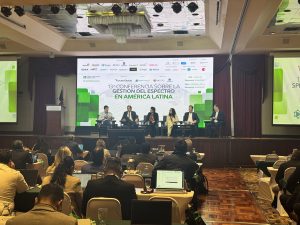
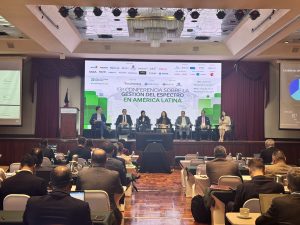
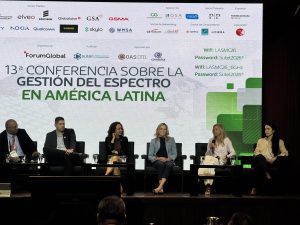
For 12 years, the Latin America Spectrum Management Conference has provided the leading neutral platform for spectrum stakeholders policy discussion in the region. This event is taking place as part of the Global Spectrum Series. Over 245 delegates joined 2 days of discussions in Argentina in 2025. Watch the highlights from the two days below.


For more information on any aspect of this event, please contact the team:
Tel: +44 (0) 2920 783 072
Sign up to receive updates on our upcoming policy events. We will only send you emails about the conferences and topics that interest you, and you can unsubscribe at any time.
Forum Global Forum Global specialises in policy-focused conferences and events, providing a platform for discussion and debate on topical issues across a variety of different sectors. These events are organised with clients and partners and aim to progress ideas and actions on important issues, all within a balanced and neutral setting. Forum Global is the international arm of Forum Europe, which was founded by Giles Merritt, columnist for the International Herald Tribune, and is widely recognised as the leading EU-dedicated event provider. Headed by a team of event specialists with over 19 years of experience, Forum Global works successfully with businesses, institutions, and governments alike. Its strategic services can maintain and develop your key policy networks and also deliver forums where key issues can be aired and debated.
ENACOM Enacom is an autonomous and decentralized entity that operates within the Office of the Chief of Cabinet of Ministers of the Nation. Its objective is to guide the process of technological convergence and create stable market conditions to guarantee all Argentinians access to internet, landline and mobile telephone, radio, postal, and television services.

Enacom was created in December 2015 through Decree 267, which establishes its role as a communications regulator to ensure that all users in the country have quality services.

Secretaría de Innovación, Ciencia y Tecnología Secretaria promotes an agile, transparent, and innovative government that supports Argentina’s scientific and technological development.
Access Partnership Access Partnership is the world’s preeminent tech advisory firm. We’ve been helping leading companies navigate complex regulatory challenges and expand their products and services to new markets since 1999. During this time, we’ve also worked closely with governments to offer advice on creating policies and regulations as the landscape continues to change with new and emerging technologies.
Through two decades of experience, Access Partnership has developed effective and proprietary processes that ensure our clients’ goals are achieved every time. With our expertise and experience, we’re able to anticipate future regulations and manage policy trends on a global scale.

Their mission is to ensure that everyone has access to transformative technologies while promoting fair competition and consumer choice.
Amazon Amazon is guided by four principles: customer obsession rather than competitor focus, passion for invention, commitment to operational excellence, and long-term thinking. Amazon strives to be Earth’s most customer-centric company, Earth’s best employer, and Earth’s safest place to work. Customer reviews, 1-Click shopping, personalized recommendations, Prime, Fulfillment by Amazon, AWS, Kindle Direct Publishing, Kindle, Career Choice, Fire tablets, Fire TV, Amazon Echo, Alexa, Just Walk Out technology, Amazon Studios, and The Climate Pledge are some of the things pioneered by Amazon.
AscendArc AscendArc was founded to transform the economics of satellite communications.
After years working on high-throughput satellite networks at Panasonic and enterprise applications for Starlink at SpaceX, founder Chris McLain saw a gap in the market: traditional GEO satellites were too expensive, too slow to build, and didn’t deliver enough value for emerging connectivity demands.
Car Connectivity Consortium The Car Connectivity Consortium brings automotive and consumer technology industries together to future-proof vehicle access using smart devices. Every significant manufacturer in every corner of the world — from Shanghai, China to Munich, Germany to New York City, USA — is a vital part of our member-based organization. Secure shareability is not just one of the unique aspects of the CCC Digital Key — it’s the foundation of our organization. With membership comes a seat at our table, no matter the size of your company or nonprofit, and an equal say in the gold standard of end-to-end interoperability. Cross-platform compatibility is our brand promise, so everyone globally can experience the same access to private, secure mobility.
For more information please visit: carconnectivity.org
Cisco Cisco offers an industry-leading portfolio of technology innovations. With networking, security, collaboration, cloud management, and more, they help to securely connect industries and communities.
Coleago Consulting Coleago profile for conference website Founded in 2001, Coleago is a specialist telecoms management consulting firm. Our expertise has been developed exclusively within the telecoms sector and delivers a rare combination of telecoms-related commercial and technical skills and experience. Since 2001 we have worked on over 110 spectrum related projects in developed and emerging markets. Since 2017 our spectrum projects included the transition to 5G, including valuating spectrum most relevant for 5G such as 600MHz, 700MHz, 3.5GHz, and mm wave. We advise regulators on spectrum policy, spectrum roadmap, spectrum pricing, spectrum auctions and capacity building on the topic best practice in spectrum auctions. For mobile operators Coleago delivers regulatory advocacy and responses to consultation, spectrum valuation, bid strategy development and live auction support. Coleago also authored complete bid books for spectrum licence awards by means of a beauty contest.
Ericsson
Globalstar Globalstar is a next-generation telecommunications provider delivering reliable, next-generation connectivity solutions through both satellite and terrestrial infrastructure. With a proprietary satellite network and exclusive access to licensed mid-band spectrum (Band 53 and Band n53), Globalstar offers end-to-end voice, data, and asset tracking services that power critical operations across enterprise, government, and consumer markets. From emergency communications and IoT deployments to private wireless and spectrum-based solutions, Globalstar delivers the resilient coverage and flexibility a connected world demands.
Headquartered in Covington, Louisiana, with regional offices around the globe, Globalstar is more than its technology; it’s a team of dedicated engineers, sales leaders, developers, and operations experts driven by a shared mission:
To make connectivity seamless, secure, and accessible anywhere on Earth.
GSA GSA (the Global mobile Suppliers Association) is a not-for-profit industry organisation representing companies across the worldwide mobile ecosystem engaged in the supply of infrastructure, semiconductors, test equipment, devices, applications and mobile support services.
GSA actively promotes the 3GPP technology road-map – 3G; 4G; 5G, – and is a single source of information resource for industry reports and market intelligence. GSA Members drive the GSA agenda and define the communications and development strategy for the Association.
The GSA Spectrum Group develops strategies and plans, and contributes studies and technical analysis to international, regional and individual country policy-makers and regulators to facilitate the timely availability of spectrum for use by mobile network operators.
GSMA The GSMA represents the interests of mobile operators worldwide, uniting nearly 800 operators with more than 250 companies in the broader mobile ecosystem, including handset and device makers, software companies, equipment providers and Internet companies, as well as organisations in adjacent industry sectors. The GSMA also produces industry-leading events such as Mobile World Congress, Mobile World Congress Shanghai and the Mobile 360 Series conferences.
GSOA
HPE HPE is the global edge-to-cloud company built to transform your business. How? By helping you connect, protect, analyze, and act on all your data and applications wherever they live, from edge to cloud, so you can turn insights into outcomes at the speed required to thrive in today’s complex world.
Intelsat (now part of SES)
Newsky.plus At NewSky.plus, we thrive in the realms of satellites, SatComs, and commercial space. This is our comfort zone, where we innovate and lead. We take on projects of critical importance for both private companies and public sector entities, ensuring regulatory affairs and policy affairs are managed strategically.
We expertly guide you through compliance and go-to-market strategies, crafting and advocating for effective regulations outside the US. Our deep expertise ensures that commercial goals and senior government relations in the Global South are met with precision.
Your vision and challenges are our input. Achieving your objectives our priority output. We do this by focusing on strategic thinking, risk management and creative implementation. We provide ideas you can trust.
Our philosophy is simple: passion, service, effectiveness, and know-how. We never compromise on quality and tailor unique strategies for each client.
Nokia
Omnispace Omnispace is uniting the simplicity of mobile roaming with the scope of satellite to create the world’s first truly global 5G network.
Omnispace are reinventing communications to deliver greater reach, improved reliability, and enhanced quality of service for billions of users and devices worldwide. By integrating terrestrial and satellite networks into one seamless connected experience, they are empowering consumer, enterprise, government and IoT users worldwide.
Qualcomm
Viasat Viasat is a global communications company that believes everyone and everything in the world can be connected. With offices in 24 countries around the world, our mission shapes how consumers, businesses, governments and militaries around the world communicate and connect.
Viasat is developing the ultimate global communications network to power high-quality, reliable, secure, affordable, fast connections to positively impact people’s lives anywhere they are—on the ground, in the air or at sea, while building a sustainable future in space.
On May 30, 2023, Viasat completed its acquisition of Inmarsat, combining the teams, technologies and resources of the two companies to create a new global communications partner.
Learn more at www.viasat.com, the Viasat News Room or follow on Facebook, Instagram, LinkedIn, Twitter or YouTube.
Skylo Skylo has been developed by a passionate group of engineers and scientists from MIT and Stanford in the US, and an experienced deployment team in Finland and India. The team invented an entirely new way of networking communications using existing geostationary satellites for affordable and continuous coverage, anywhere on Earth. Skylo is backed by some of the largest, most well-known organizations in the world.
There is massive potential for our customers to drive transformative impact. Businesses can turbocharge their offerings, strengthening their operations to lift up their families, communities and local economies.
Governments can better serve citizens and save lives, with elements like enhanced disaster management. New companies will emerge using our solution as entrepreneurs discover new possibilities.
Dynamic Spectrum Alliance (DSA) The Dynamic Spectrum Alliance (DSA) is a global, cross-industry, not for profit organization advocating for laws, regulations, and economic best practices that will lead to more efficient utilization of spectrum and foster innovation and affordable connectivity for all.
Welchman Keen At Welchman Keen, we recognise the critical importance of bridging this digital divide through strategic, sustainable, and secure connectivity solutions. Our expertise lies in navigating the complex interplay of policy, technology, and socio-economic factors to unlock the transformative power of connectivity for all.
BlueNote BlueNote provides an end-to-end perspective, starting with diagnosing the business context and understanding a client’s mindset.
They also provide insightful and impartial strategic advice from their team of experienced and highly-professional consultants.
BlueNote partner with their clients in the implementation of new initiatives, making sure the desired changes are achieved and the planned initiatives actually materialize.
Shure With a history of innovation that began in 1925, Shure has turned a passion for making great microphones and audio electronics into an obsession.
Shure continues to set the worldwide industry standard for superior, reliable products.
Specure Specure, an Austrian firm, specializes in developing software for spectrum auctions.
Their EAS auction platform has been fundamental to numerous successful spectrum auctions across Europe and Africa.
Rohde & Schwarz
thinkRF thinkRF is one of the proud affiliates of the Wesley Clover International, a serial super angel, found or fund over 100 successful Information and Communications Technologies (ICT) companies, either independently or in partnership with other investors. The portfolio currently consists of public and private firms focused on next-generation Cloud and SaaS applications, hardware and services for fixed/mobile communications, video collaboration, customer engagement, analytics and more.
We are revolutionizing spectrum monitoring and intelligence. We provide ultimate visibility to wireless network operators and national regulatory agencies and empower them to optimize and utilize RF spectrum. We not only provide real-time, but also historical data and insights to guide wireless network operators in making informed decisions about their spectrum policies.
We are the leader in software-defined spectrum analysis platforms that monitor, detect and analyze complex waveforms in today’s rapidly evolving wireless landscape. Spectrum eXperience Management (SXM) is our subscription-based wireless network monitoring and intelligence solution. Wireless network operators can characterize, optimize and protect vital RF spectrum networks with real-time and historical insights on the state of wireless technologies
CABASE Founded in 1989, CABASE is a Non-profit Association, with a membership consisting of the main connectivity providers and ISPs in Argentina, as well as numerous technology companies which comprise the Internet ecosystem in Argentina.
Aetha Consulting Aetha Consulting provides strategic advice to the telecommunications industry and specialises in undertaking rigorous data-driven quantitative assessments to help businesses, regulators, and policy makers make major strategic and regulatory decisions.
We work with our clients to develop creative and sustainable solutions to the challenges facing them in a constantly changing environment. Aetha helps operators and regulators to analyse the opportunities and threats arising out of changes (whether real or proposed) in their radio spectrum holdings. Throughout the recent unprecedented growth of wireless services, Aetha’s staff have been at the forefront of spectrum policy. Our consultants have assisted regulators to award spectrum and develop regulatory frameworks, including supporting the European Commission to tackle issues such as spectrum trading and the digital dividend.
We also support operators to understand their spectrum needs, value spectrum and bid in auctions. Each year we support around 10 bidders in spectrum auctions – a total of over 120 award processes between mid-2011 and 2023 across all regions of the world. Our technical knowledge, combined with our rigorous valuation modelling approach, ensures that our clients are comprehensively prepared for auctions.
Aetha Consulting
NERA NERA Economic Consulting is a global firm of experts dedicated to applying economic, finance, and quantitative principles to complex business and legal challenges. For half a century, NERA’s economists have been creating strategies, studies, reports, expert testimony, and policy recommendations for government authorities and the world’s leading law firms and corporations. We bring academic rigor, objectivity, and real world industry experience to bear on issues arising from competition, regulation, public policy, strategy, finance, and litigation. NERA’s clients value our ability to apply and communicate state-of-the-art approaches clearly and convincingly, our commitment to deliver unbiased findings, and our reputation for quality and independence. Our clients rely on the integrity and skills of our unparalleled team of economists and other experts backed by the resources and reliability of one of the world’s largest economic consultancies. With its main office in New York City, NERA serves clients from more than 25 offices across North America, Europe, and Asia Pacific.
Chicas TIC LATAM Chicas TIC are a community of women who develop careers in decision-making positions within ICT (Information and Communication Technologies) companies and organizations. They have the challenge of accompanying themselves in pursuit of the integral growth of women with a professional focus through networking. They seek to encourage more women to reach leadership positions. They were born in Argentina, but they extend to all of Latin America.
The field of technology today is an essential part of all industries, and the lack of participation of women in leadership positions is repeated in many sectors. One of the difficulties in reaching key positions is the poor development of networking and contact networks. At Chicas TIC, they work to generate this network of professional support for women and reverse this situation.
Chicas TIC encourages women to encourage themselves, expand their network, create and occupy spaces, share experiences, and don’t miss happy hour or the work lunch. Make visible the initiatives and achievements of women in the sector to let them know that it is possible, that there are many of them in a similar situation, and that they can ask for help.